

Think of your company as a boom town. Let’s say it was founded with a clear vision, but as it grew, things quickly became chaotic– like a sprawling city without any apparent master plan (we’re looking at you LA). So like a city planner with a blueprint, you need a deliberate framework or architecture for managing your brand. Otherwise, you risk confusing customers and diluting your company’s brand equity.
Avoiding Brand Sprawl
Brand architecture strategically defines how all your brands, sub-brands, and products relate to each other. Consider how these common scenarios can disrupt your brand identity:
- Mergers and Acquisitions: How do you present the combined entity?
- New Products/Services: Do they strengthen or dilute your focus?
- Expanding into New Markets: Do you adapt the brand or stay consistent?
Why Brand Architecture Matters
A robust brand architecture brings clarity, offering benefits like:
- Customer Loyalty: A consistent brand builds trust and keeps customers coming back.
- Enhanced Brand Equity: A cohesive architecture strengthens your company's overall value.
- Marketing Efficiency: Streamlined branding enables more focused marketing efforts.
- Internal Alignment: Everyone in the company benefits from understanding the big picture.
Let’s explore the main brand architecture models in more detail, so you can see which might fit your company’s evolving needs.

House of Brands
In a house of brands structure, the parent company takes a less prominent role, allowing sub-brands to forge their own distinct identities. Consider Meta, which operates Facebook, Instagram, and WhatsApp – each with its own unique branding and audience. This approach allows Meta to target diverse markets, experiment with new ventures without impacting their core brand, and insulate each brand from risks faced by the others.
Pros
- Targets Niche Markets: Offers the freedom to create tailored brands for distinct audiences or industries.
- Experimentation: Allows testing new ventures without impacting the parent brand's image.
- Brand Insulation: If one sub-brand falters, the parent company's reputation is somewhat protected.
Cons
- Missed Synergy: Less potential to cross-promote between sub-brands, potentially limiting the ease of customer movement within your brand ecosystem.
- Higher Marketing Costs: Requires separate marketing budgets and resources for each sub-brand.
- Potential for Confusion: If brand identities are too distinct, it can be hard for customers to understand the overarching connection – if there is one.

Branded House
In a branded house model, the parent brand reigns supreme. Think of Google – its name acts as an umbrella over various products and services like Search, Gmail, Maps, and more. This strategy ensures that everything falls neatly under a single, well-established identity.
Pros
- Streamlined Messaging: Consistent brand identity across everything fosters customer recognition and loyalty.
- Leverages Reputation: New products and services benefit from established reputation and trust.
- Cost-Effective Marketing: Allows for centralized marketing efforts, maximizing the reach of a strong parent brand.
Cons
- Limited Flexibility: Can be challenging to create unique brand personalities for niche products or to enter vastly different markets.
- Risk of Dilution: If a product or service fails, it could negatively impact the overall parent brand image.
- Less Room for Experimentation: New offerings are confined by the parent brand's established style and messaging.
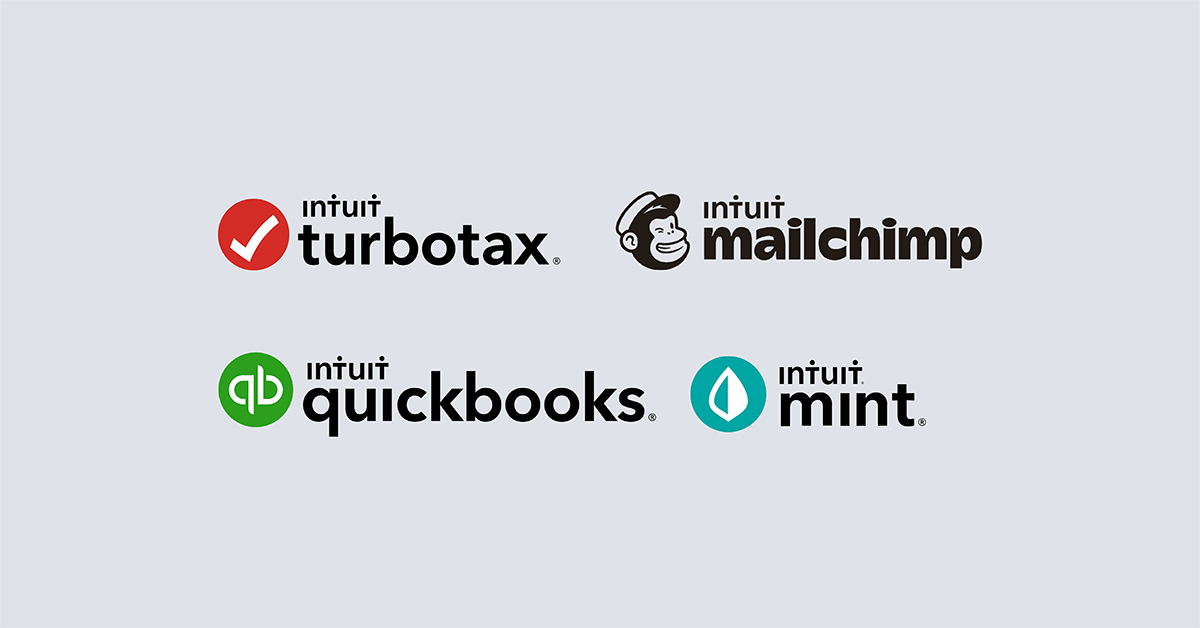
Endorsed Brands
In a branded house model, the parent brand reigns supreme. Think of Google – its name acts as an umbrella over various products and services like Search, Gmail, Maps, and more. This strategy ensures that everything falls neatly under a single, well-established identity.
Pros
- Builds Trust: New offerings benefit from the credibility of the parent company.
- Targeted Branding: Allows for niche marketing and audience customization.
- Flexibility: Offers room for brand expansion and acquisitions without confining everything under a single identity.
Cons
- Balancing Act: Requires careful brand management to maintain consistency while allowing sub-brands to have individual identities.
- Potential Complexity: Can be more complex to manage than a pure branded house or house of brands structure.
- Dilution Risk (Minimized): While less than a branded house, a failing sub-brand could still have some negative impact on the parent company's reputation.
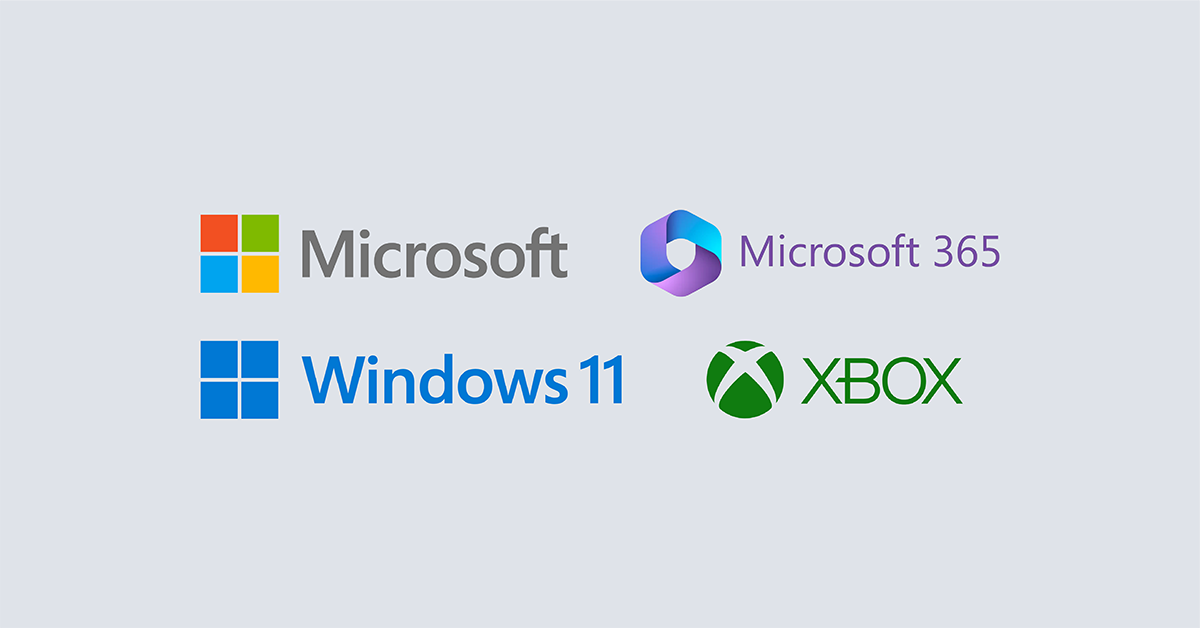
Hybrid Architecture / Sub Brands
In a branded house model, the parent brand reigns supreme. Think of Google – its name acts as an umbrella over various products and services like Search, Gmail, Maps, and more. This strategy ensures that everything falls neatly under a single, well-established identity.
Pros
- Balance and Flexibility: Allows targeted branding while retaining some parent company association.
- Diverse Offerings: Works well when your brand encompasses a wider range of products and services.
- Accommodates Growth: Provides a framework for adding sub-brands or acquisitions down the line.
Cons
- Complexity: Can be more complex to manage than a fully unified or independent model.
- Consistency Challenge: Requires effort to balance individual brand expression with an overarching brand identity.
- Potential for Inconsistent Messaging: If not carefully managed, slight variations can dilute brand clarity for customers.
Which Approach is Right for My Company?
Choosing the right brand architecture is a strategic decision that impacts your company’s future. Balance your long-term goals with your available resources. Consider the following:
Feasibility
- Do you have the budget and manpower to effectively manage multiple distinct brands (House of Brands)?
- Could your current brand stretch to encompass new offerings (Branded House), or are they too niche?
Cost
- Centralized marketing under a parent brand (Branded House) is often the most cost-effective. Are you prepared for the investment a House of Brands requires?
Cons
- Targets Niche Markets: Offers the freedom to create tailored brands for distinct audiences or industries.
- Streamlined Messaging: Consistent brand identity across everything fosters customer recognition and loyalty.
- Leverages Reputation: New products and services benefit from established reputation and trust.
- Limited Flexibility: Can be challenging to create unique brand personalities for niche products or to enter vastly different markets.
- Risk of Dilution: If a product or service fails, it could negatively impact the overall parent brand image.
- Less Room for Experimentation: New offerings are confined by the parent brand's established style and messaging.
- Cost-Effective Marketing: Allows for centralized marketing efforts, maximizing the reach of a strong parent brand.
- Builds Trust: New offerings benefit from the credibility of the parent company.
- Targeted Branding: Allows for niche marketing and audience customization.
- Flexibility: Offers room for brand expansion and acquisitions without confining everything under a single identity.
- Balancing Act: Requires careful brand management to maintain consistency while allowing sub-brands to have individual identities.
- Potential Complexity: Can be more complex to manage than a pure branded house or house of brands structure.
- Dilution Risk (Minimized): While less than a branded house, a failing sub-brand could still have some negative impact on the parent company's reputation.
- Balance and Flexibility: Allows targeted branding while retaining some parent company association.
- Diverse Offerings: Works well when your brand encompasses a wider range of products and services.
- Accommodates Growth: Provides a framework for adding sub-brands or acquisitions down the line.
- Complexity: Can be more complex to manage than a fully unified or independent model.
- Consistency Challenge: Requires effort to balance individual brand expression with an overarching brand identity.
- Potential for Inconsistent Messaging: If not carefully managed, slight variations can dilute brand clarity for customers.
- Do you have the budget and manpower to effectively manage multiple distinct brands (House of Brands)?
- Could your current brand stretch to encompass new offerings (Branded House), or are they too niche?
- Centralized marketing under a parent brand (Branded House) is often most cost-effective. Are you prepared for the investment a House of Brands requires?
- How much risk are you willing to take on with new ventures? A House of Brands isolates risk, while a Branded House carries more potential for brand-wide impact.
- Will associating new products with an established brand enhance their reputation (Endorsed/Branded House), or would more independent branding be better (House of Brands)?
- Do you envision a streamlined, unified message across offerings (Branded House), or do you need the flexibility to tailor communication for distinct audiences (House of Brands, Hybrid)?
- How complex is your organization? A Hybrid approach can offer flexibility, but requires careful coordination to maintain consistency.
By incorporating these elements and utilizing the suggested tools and platforms, you can transform brand advocacy from a buzzword to a strategic powerhouse, driving brand loyalty and propelling your business forward.
Transform Your Marketing with Brand Advocacy
Looking to amplify your brand through authentic, impactful marketing? At RodeoLab, we specialize in leveraging brand advocacy to elevate your presence in the market. Reach out to us and let’s explore how brand advocacy can revolutionize your business. Don’t forget to subscribe to our newsletter for the latest in brand strategies and insights.